Syria Struggles to Return to Global Finance via Banking
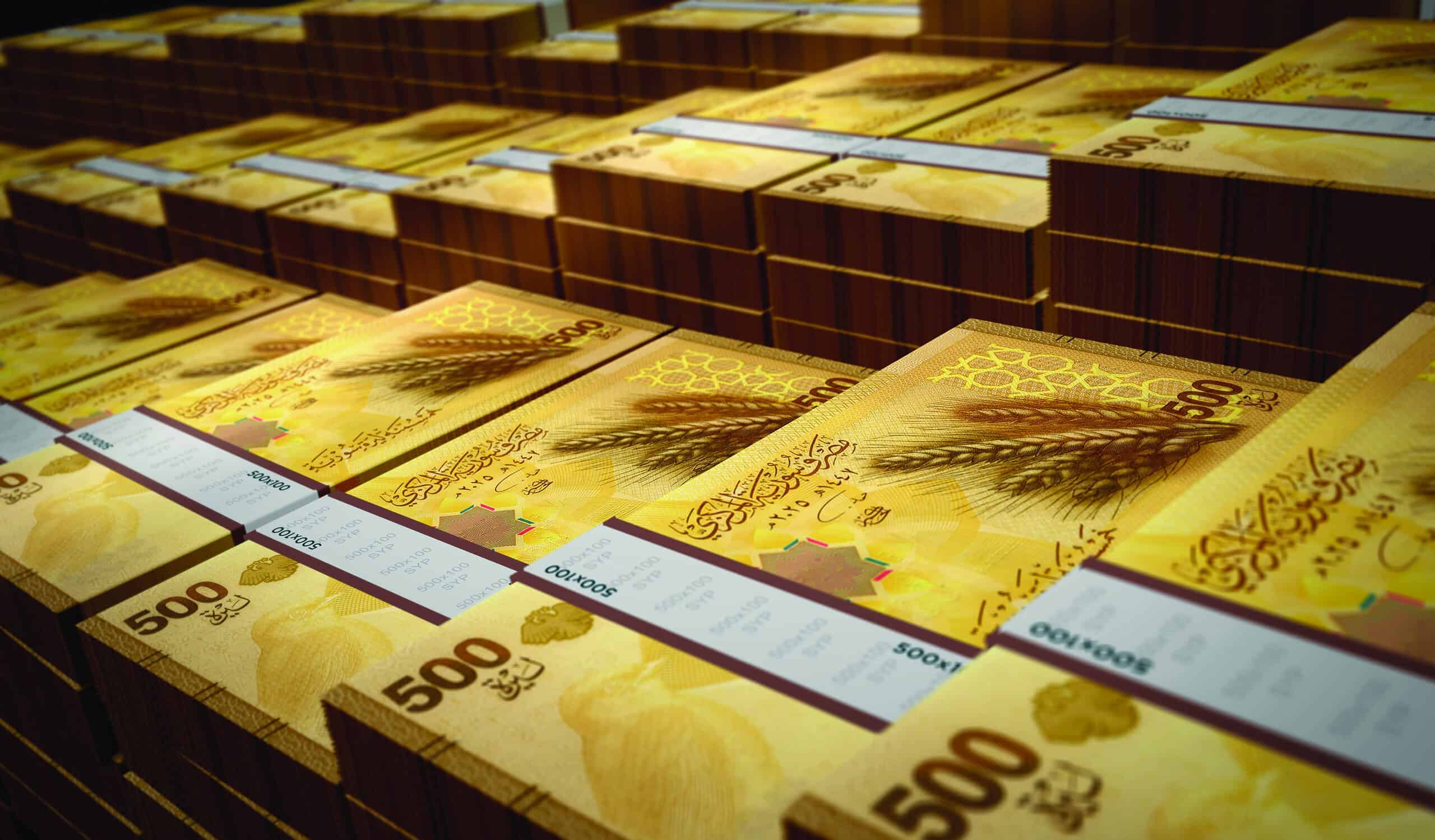
Syria is trying to rejoin the global finance world after being away for a long time. This move is very hard because the local banking sector is not strong enough yet. Many banks lack the tools and trust needed to work with international partners right now.
Why is Syria return to global finance slow?
The main reason for the slow progress is the state of the banks inside the country. After many years of conflict, the buildings, technology, and rules for money are in bad shape. Most banks do not have the modern software required to talk to banks in other countries. This makes it hard for money to flow in or out of the nation safely.
Another big problem is how the rest of the world sees these banks. Global banks are very careful about who they work with because they do not want to break international rules. If a Syrian bank does not meet high standards, no one will trade with them. This leaves the country stuck in a loop where it needs money to grow but cannot get it because the banks are weak.
What this means for people in Syria
Ordinary people feel the weight of these banking problems every single day. When banks do not work well, it is hard for small businesses to get loans or pay for goods from abroad. This keeps prices high and makes it difficult for families to find good jobs. Many people who moved away, known as the Syrian diaspora, find it hard to send money back home to help their relatives.
The lack of a strong banking system also stops new companies from starting. Without a place to keep money or borrow for equipment, builders cannot build and shops cannot open. Here are some of the biggest issues people face right now:
- High fees to move money through unofficial channels.
- Lack of credit cards or digital payment options.
- Slow speeds for any kind of business deal.
- Very few branches open in smaller towns.
The history of the banking crisis
To understand the current mess, we have to look at the Syrian civil war and how it changed everything. Before the trouble started, the country had a plan to grow its economy. Once the fighting began, the banks lost their connections to the outside world. Many banks had to close their doors or move to safer areas, which broke the trust people had in them.
For over a decade, the country was cut off from the global market. During this time, the world moved forward with new technology like blockchain and instant transfers. Syria stayed behind and now has to catch up on twenty years of progress in a very short time. This gap is what makes the return to global finance so painful for the government and the people.
What to watch for in the future
Experts are watching to see if the government will pass new laws to help the banks. These laws need to make the banks more open so that other countries feel safe sending money there. If the banks can prove they are following global rules, big investment might finally come back. Without these changes, the economy will likely stay very quiet and slow for a long time.
We should also watch if international groups offer to help fix the banking tech. Sometimes, global organizations provide training or software to help a country get back on its feet. If Syria can fix its banks, it might finally be able to rebuild its cities and factories. For now, the world is waiting to see if the banking sector can actually handle the job of global finance.


Comments
Post a Comment